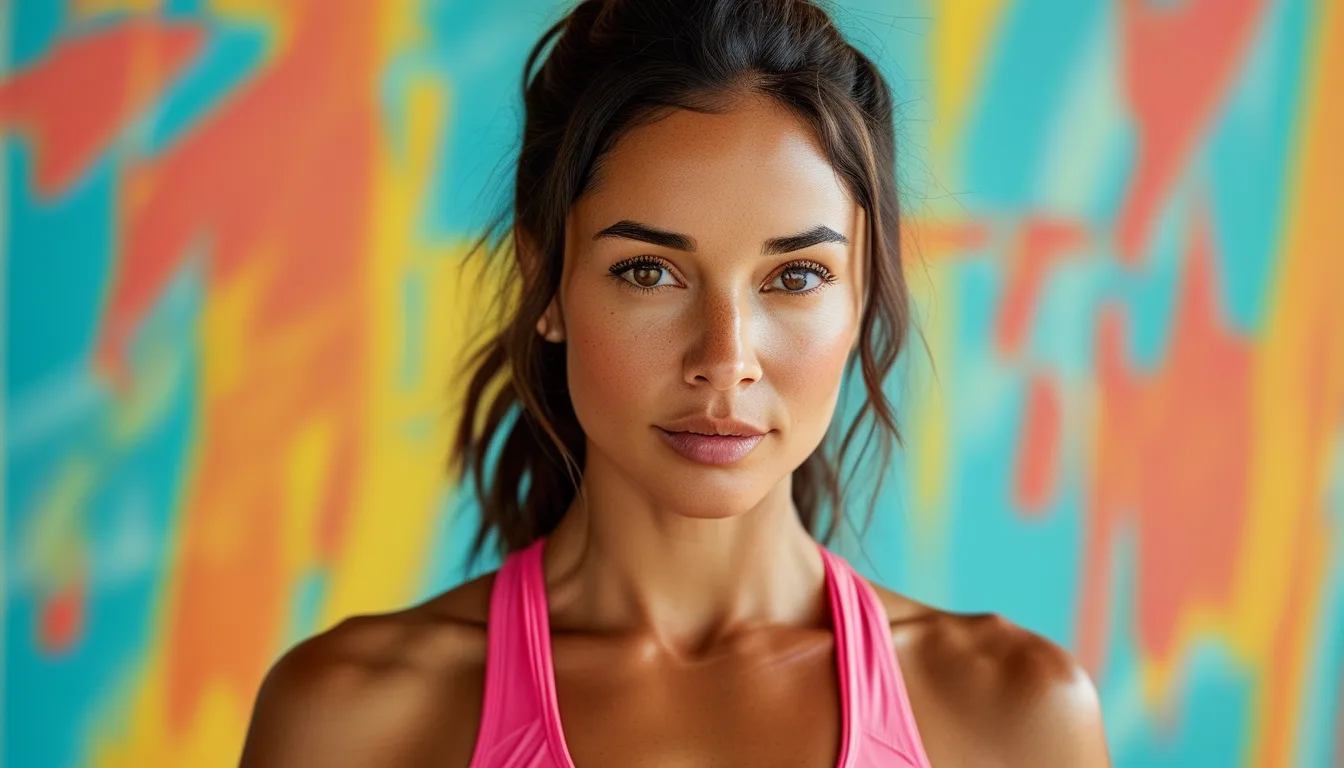
What to Wear to Barre and Pilates: The Studio Dress Code Decoded
Quick Answer: Wear fitted clothing to barre and Pilates — high-waist leggings and a longline bra top or fitted tank — plus grip socks, which most reformer studios require. Bring a light layer for the cool start. The fitted rule exists so instructors can see your alignment and so nothing catches in reformer springs, not for looks.
There’s an unwritten dress code at every barre and Pilates studio, and walking in wrong is a very specific kind of uncomfortable.
The good news: it’s four items, none of them exotic, and the reasoning behind it is entirely practical.
The other good news: everyone in that room is looking at their own alignment in the mirror, not at you.
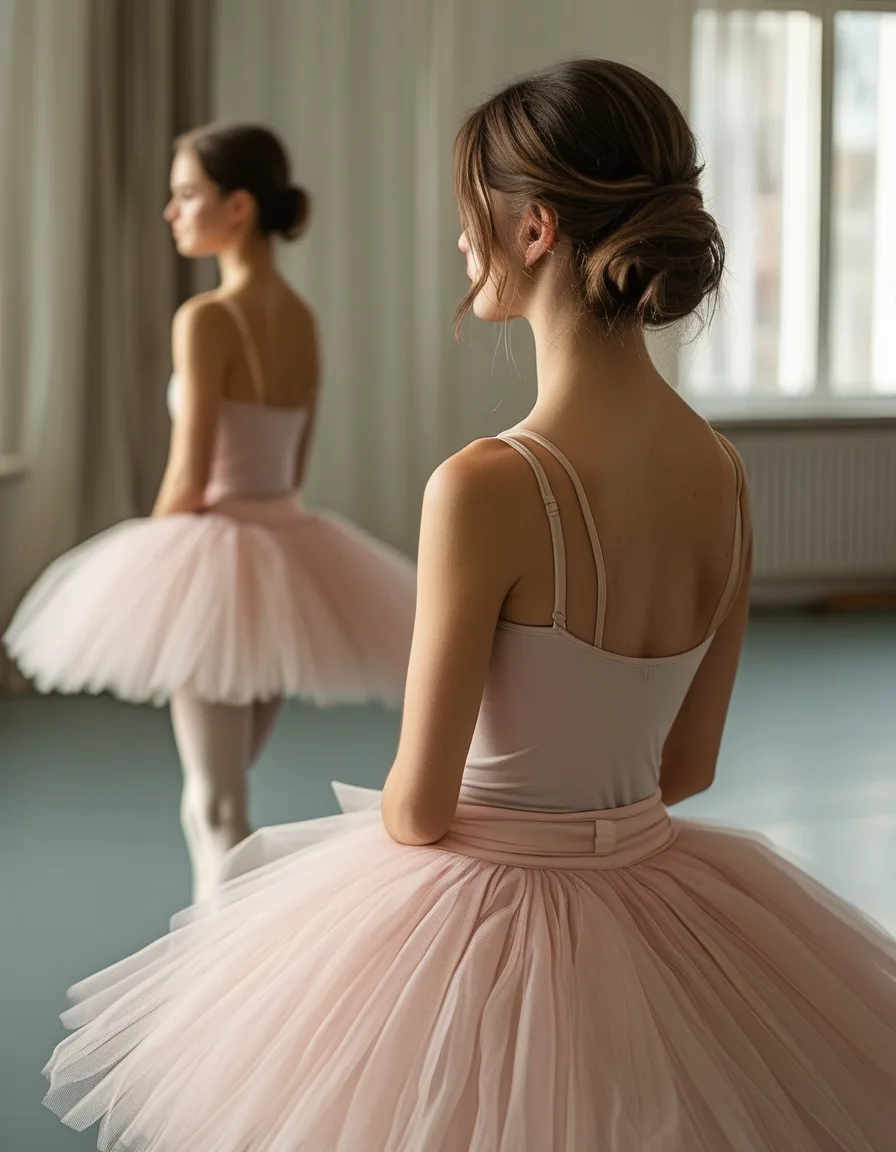
Why Does Everything Have to Be Fitted?
Four reasons, and only the last one is remotely about aesthetics.
Your instructor needs to see your alignment. Half the cues in a Pilates class are about ribcage position, pelvic tilt, and spinal articulation — all invisible under a baggy t-shirt. Fitted clothing is genuinely a diagnostic tool for the person teaching you.
Gravity exists. Roll-downs, forward folds, tabletop, and anything inverted will send a loose top directly over your face. Most people convert to fitted tops by class three, having learned this experimentally.
Equipment catches fabric. Reformer springs, straps, and barre equipment are unforgiving about loose clothing, drawstrings, and zippers. The fitted rule is partly a safety rule.
And it simply stays put. High-waist leggings and a longline top survive hundreds of position changes without needing adjustment. The alternative is spending the class tugging things back into place.
What Should You Actually Wear?
Bottoms: high-waist leggings. Full-length or 7/8, compressive or seamless, whichever you prefer. Two things matter: a waistband that survives roll-downs without folding over, and squat-proof fabric — you’ll be in a lot of positions where thin fabric announces itself. A pair of squat-proof high waist leggings solves both and is the single most-used item in your studio kit. Biker shorts are entirely acceptable in summer.
Top: longline bra top or fitted tank. How much coverage you want is personal; the fitted part isn’t. A longline bra top with high-waist leggings is the studio’s native combination and stays exactly where you put it.
Grip socks. Required at most reformer studios and strongly preferred at barre. The full-sole style with grips across the whole footbed is the studio spec — they stop you sliding on the reformer carriage and on polished floors. If you go weekly or more, keep two or three pairs in rotation so laundry never becomes the reason you skip class. Our full grip socks breakdown covers the styles in detail.
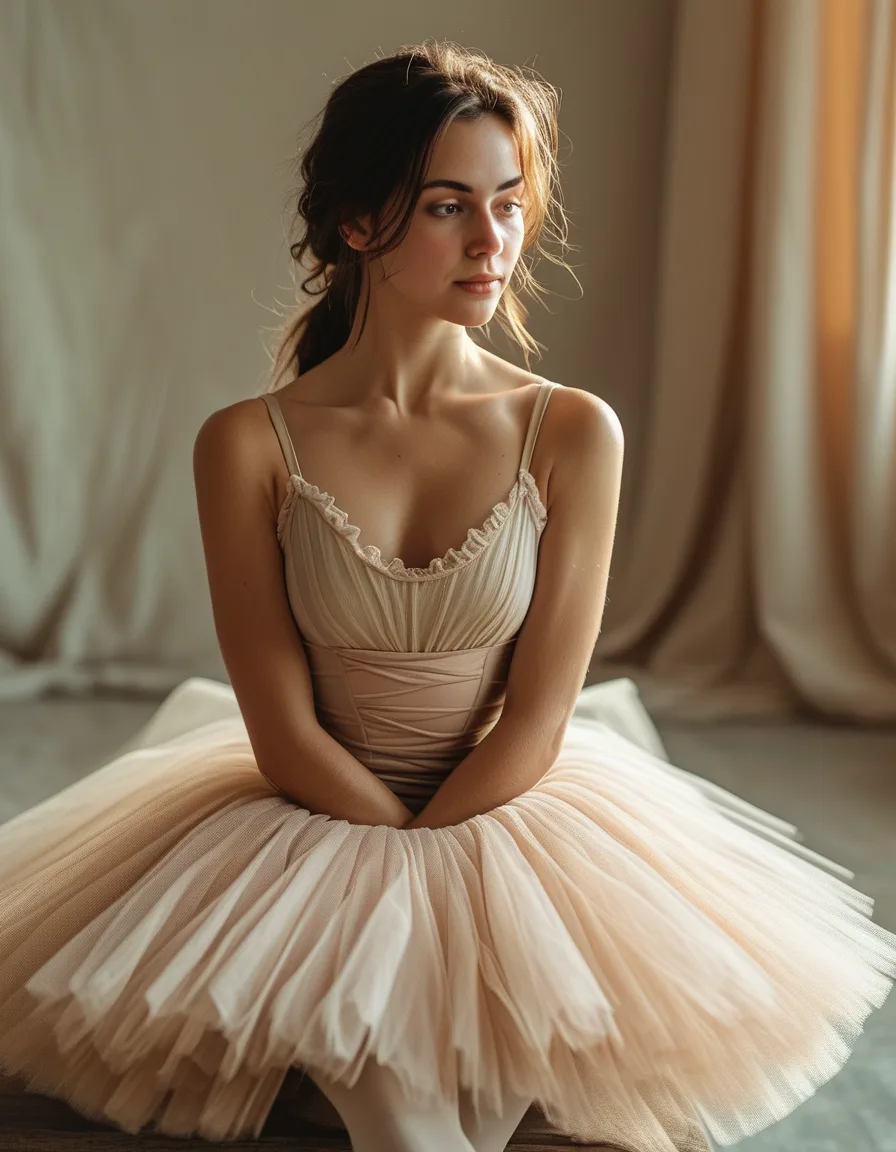
A layer. Studios run cool until the pulsing starts, and the cool-down at the end is genuinely chilly. A fitted long-sleeve or a wrap works, and the balletcore versions are having a moment for exactly this reason.
What Should You Skip?
- Running shoes. These are sock-or-barefoot disciplines. Shoes stay in the cubby.
- Loose t-shirts and baggy shorts. See: gravity, above.
- Anything with zippers, drawstrings, or buckles. They find every reformer strap, and they’re uncomfortable when you’re lying on your back on a carriage.
- Heavy jewellery. Long necklaces meet your face in supine work; rings scratch equipment.
- A claw clip. Fine for barre, terrible for anything lying down. Bring a hair tie instead.
Bring: a water bottle, a small towel, and grip socks — though nearly every studio sells them at the desk if you forget.
What Nobody Tells You About Your First Studio Class
Your outfit anxiety exceeds the studio’s actual interest by a wide margin. Leggings, a fitted top, and grip socks reads as completely regular from day one. Nobody is auditing your kit.
The intimidating regulars are watching themselves. In a mirrored room, everyone is checking their own alignment. This is the universal truth of every fitness space and it’s genuinely reassuring once you’ve noticed it.
The studio is colder than you expect for the first ten minutes. Then it isn’t, at all. Layers you can shed without leaving your mat are the answer.
Grip socks are the only recurring cost. Everything else in your studio kit lasts years, because low-impact work is remarkably kind to fabric — no sweat-soaked high-heat washing, no abrasion. Socks wear out; leggings really don’t.
Arriving five minutes early is worth more than any gear. You get a mat or reformer position you like, and a chance to tell the instructor if anything’s bothering you.
How Does the Wardrobe Grow?
If you go twice a week, three bottoms, three tops, and three pairs of grip socks covers a laundry cycle comfortably. That’s the whole rotation.
Seasonally, summer shifts toward biker shorts and bra tops; winter adds a layer you shed in the first ten minutes.
Beyond that it’s optional and aesthetic — matching sets and tonal dressing find their natural habitat in a Pilates studio, and the monochrome look genuinely works well in mirrored rooms. But it’s decoration on top of a kit that was already complete at item four.
Mini FAQ
Do I really need grip socks for Pilates?
For reformer Pilates, yes — most studios require them, and they’re a legitimate safety item on a moving carriage. For mat Pilates and barre they’re optional but very useful on polished floors. Studios almost always sell them if you turn up without.
Can I wear the same clothes to barre and Pilates?
Yes. The requirements overlap almost entirely: fitted, high-waisted, stays put, grip socks. One kit covers both, plus most yoga classes.
What if I’m not comfortable in a crop top?
Wear a fitted tank or a longline fitted top instead. The dress code is about fitted, not about how much skin shows — coverage is entirely your call, and plenty of regulars wear full-length fitted tops.
TL;DR:
- Fitted everything: high-waist leggings plus a longline bra top or fitted tank.
- The reason is practical — instructors need to see alignment, and loose fabric catches in equipment.
- Grip socks are required at most reformer studios; keep 2-3 pairs if you go weekly.
- Bring a layer for the cool start and cool-down. Skip shoes, zippers, drawstrings, and heavy jewellery.
- Three bottoms, three tops, three socks covers a twice-weekly rotation — and everything but the socks lasts years.
See It in Motion
Seen here: High Waist Yoga Leggings with Inner Pocket — shop it on bubblelime.com
Keep Reading
This article is for general informational and styling purposes only. Fit, sizing, and product availability may vary.