Do Grip Socks Work in the Weight Room, Not Just the Studio?
Quick Answer: Grip socks work well for deadlifts, hip thrusts, machine work and any lift where you want a flat, stable foot with no midsole, and they solve the hygiene objection to lifting barefoot. They do not replace shoes for anything involving lateral movement, dropped-weight risk, or walking around a gym floor, and most commercial gyms have a footwear policy that grip socks may not satisfy. Check the rules before you buy.
The deadlift argument for taking your shoes off is a good one. The argument against putting your bare feet on a public gym floor is also a good one.
Grip socks sit between the two, and they work better than expected in a narrower range than people claim.
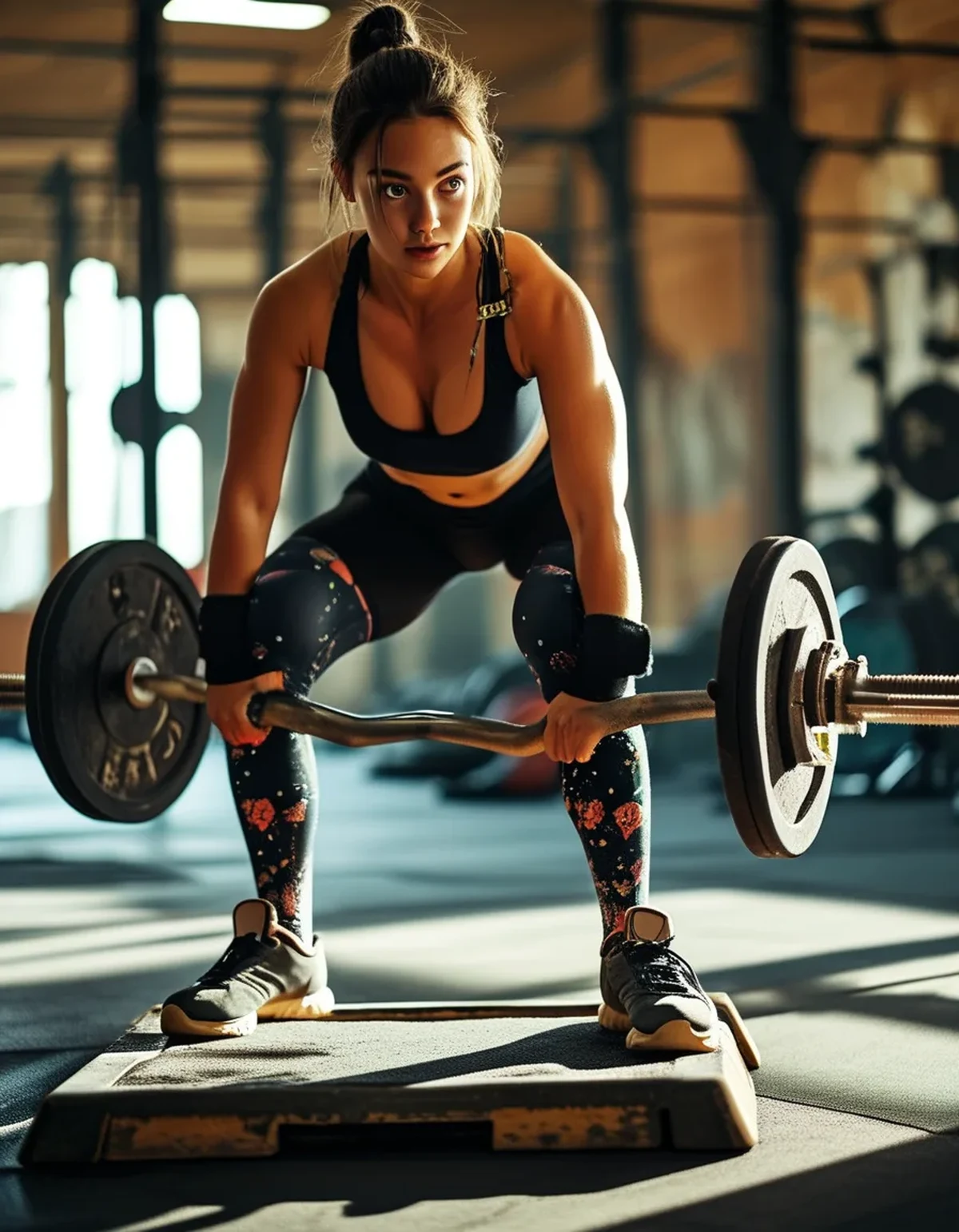
Why do lifters take their shoes off in the first place?
Three reasons, and all of them are about the sole rather than the shoe.
A compressible midsole is unstable under load. Running shoes have soft, cushioned foam designed to absorb impact. Under a heavy barbell that foam compresses unevenly, and your foot shifts fractionally within the shoe. For a deadlift that is a real stability cost and it is why running shoes are the worst possible choice for lifting.
Height off the floor matters in a deadlift. A shoe with a 25mm sole raises you 25mm, which means the bar travels 25mm further. Over a heavy set that is meaningful, and it is why powerlifters favour flat shoes, slippers or bare feet.
Foot feedback improves. Direct contact with the floor gives better proprioceptive information about weight distribution — whether you are on your heels, your toes or the outside edge. Many people find their cues for spreading the floor or gripping with the toes only make sense once the shoe is off.
Which is what grip socks are meant to address. A grip sock has essentially no midsole, so it preserves all three advantages while putting a fabric layer between your skin and a floor that hundreds of people have used.
They also solve a temperature problem that becomes relevant now — gym floors get genuinely cold in autumn and winter, and barefoot lifting on a cold rubber floor is unpleasant enough that people stop doing it.
Where do they actually work well?
In a specific and reasonably long list of situations.
Deadlifts and their variants. The flagship use. Flat, close to the floor, stable, with a grippy sole that resists sliding on rubber flooring. Conventional, sumo, Romanian and rack pulls all benefit.
Hip thrusts and glute bridges. Foot placement is everything in a hip thrust, and a grip sock stops feet sliding forward on a rubber mat, which is the most common technique failure in the movement.
Machine work. Leg press, leg extension, seated rows with a foot plate — anywhere your feet are braced against a surface rather than moving. Grip helps directly.
Kettlebell work, particularly swings and Turkish get-ups. Ground feel matters and there is no impact to absorb.
Floor work, core work and stretching. Obvious, and the reason grip socks exist.
Squats, with a caveat. Flat-soled is fine for many people; those who need a raised heel for ankle mobility will squat better in a proper weightlifting shoe. If your heels lift in a squat, a sock will not help you and an elevated heel will.
What genuinely does not work: anything with lateral movement, jumping, running or agility, where a sock provides no ankle support and the grip dots can catch. Anything involving dumbbells you might drop, where a shoe is basic protection. And walking around the gym floor between sets, which is the daily practical problem — grit picks up on the dots and grip degrades fast.
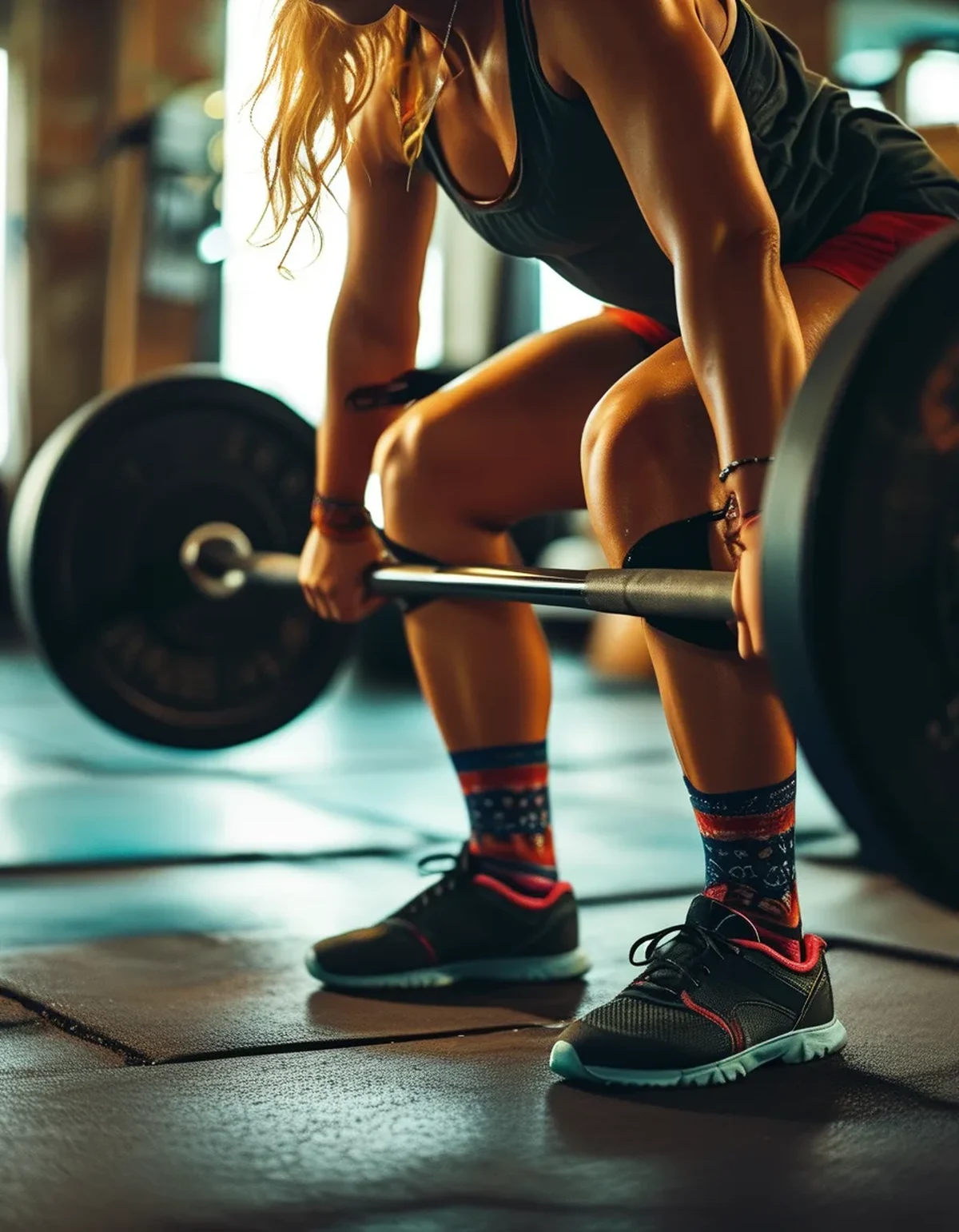
What Nobody Tells You About Gym Rules and Grit
Two practical issues that decide whether this works for you, and neither is about performance.
Most commercial gyms have a footwear policy, and it usually says closed-toe athletic shoes. Grip socks occupy an ambiguous position — some gyms treat them as acceptable, many do not, and staff enforcement varies by shift. This is worth asking about directly before buying, because being told to put shoes on mid-set is a frustrating way to find out.
The reason for the rule is dropped weights, and it is a legitimate one. A 10kg plate landing on a foot in a grip sock does exactly what it would do to a bare foot. If you train in an environment where loose plates and dumbbells are on the floor, that risk is real regardless of what the policy says.
Grit destroys grip fast. Gym floors carry dust, chalk and small debris, and it embeds in the silicone dots. A grip sock worn for walking around a gym loses meaningful grip within a few sessions, where the same sock worn only on a mat lasts many months. The practical answer is to keep them in your bag and put them on at the platform, then take them off to walk around — which sounds fussy and takes ten seconds.
Wash them properly and they last. Cold or warm wash, inside out, no fabric softener, and air dry. Softener coats the silicone and is the single fastest way to ruin a pair. Heat from a tumble dryer degrades the dots.
Full-sole grip beats scattered dots for lifting. Studio socks often have grip patterned for pilates footwork, concentrated at the ball and heel. For lifting you want coverage across the whole sole, because your weight distribution changes through the lift.
And the smell issue is real. Bare feet inside a sock with an impermeable silicone sole is a warm damp environment. Wash after every use, and if a pair has developed a persistent smell, a soak in dilute white vinegar before washing usually resolves it. Rotating two pairs is more effective than treating one.
What should you actually buy and how should you use them?
A short specification, then how to fit them into a session.
Look for full-sole coverage rather than a dot pattern designed for studio footwork. The grip needs to be under the whole foot.
Choose a thicker knit than a studio sock. Barre and pilates socks are thin because you want ground feel and no bulk. For a gym floor, a slightly thicker sock is more comfortable, warmer and more durable, and the difference in feedback is negligible.
Get the fit snug. A grip sock that slides on your foot defeats the purpose entirely — the grip is on the outside, and if the sock moves relative to your skin you have gained nothing. Snug, not tight enough to compress your toes.
Ankle height or above is more practical than no-show for lifting, mainly because it stays put.
Use them in a defined block. Trainers for the walk in, warm-up and any lateral or dynamic work; grip socks on for the deadlift, hip thrust and machine block; trainers back on afterwards. Treating them as specialist equipment rather than gym-wide footwear preserves both the grip and the goodwill of the staff.
Keep them in a small bag inside your gym bag so they are not collecting grit from everything else. This is the single habit that makes a pair last.
Consider whether a flat shoe is a better answer for you. A canvas plimsoll, a dedicated deadlift slipper or a flat-soled trainer gives most of the same benefits, complies with every gym policy, and protects against dropped weights. Grip socks win on ground feel, floor work and price; a flat shoe wins on everything else.
Seasonally, this is a good time to sort it out. As training moves indoors for the autumn and gyms fill up, floor space gets contested and gym floors get colder — both of which push in favour of having a defined footwear plan rather than improvising each session.
FAQ: Grip Socks in the Gym, Answered
Are grip socks better than lifting barefoot?
For hygiene, warmth and grip on rubber flooring, yes. For pure ground feel, bare feet are marginally better. The hygiene difference is the reason most people choose socks.
Will my gym let me wear them?
Many will not, because footwear policies specify closed-toe shoes. Ask before you buy — the answer varies by chain and often by individual gym.
Can I deadlift heavy in them?
Yes, and it is one of the best uses. The sock provides grip and a flat base; it provides no protection, so this assumes a controlled setup without loose plates around your feet.
Do they help with squats?
Only if you squat well flat-footed. If you need heel elevation for ankle mobility, a weightlifting shoe is the correct tool and a sock is a step backwards.
How long do they last?
Used only on mats and platforms, many months. Walked around a gym floor, the grip degrades noticeably within weeks. Grit is the limiting factor, not the fabric.
Do I need a different pair from my pilates socks?
If you have them, use them — but studio socks are thinner and often have partial grip patterns. If you buy specifically for lifting, full-sole grip and a thicker knit is a better specification.
TL;DR:
- The benefit is no midsole — a flat, stable base, shorter deadlift range and better foot feedback.
- Excellent for deadlifts, hip thrusts, machines and kettlebells. Useless for lateral work, jumping or dropped-weight protection.
- Check your gym’s footwear policy first. Many require closed-toe shoes and enforcement varies.
- Grit kills grip. Put them on at the platform, take them off to walk around, and keep them in their own bag.
- Full-sole coverage, snug fit, thicker knit. No fabric softener, ever.
If your gym says no, a flat plimsoll or deadlift slipper gets you most of the way for the same money.
Keep Reading
This article is for general informational and styling purposes only. Fit, sizing, and product availability may vary.