The Grip Socks Hygiene Problem Nobody Talks About (And How to Fix It)
Quick Answer: Grip socks’ rubberized grip dots trap heat and moisture against the sole in a way plain socks don’t, making them more prone to odor and bacterial buildup if not washed after every wear. Air-drying fully between uses and washing after each session prevents most issues.
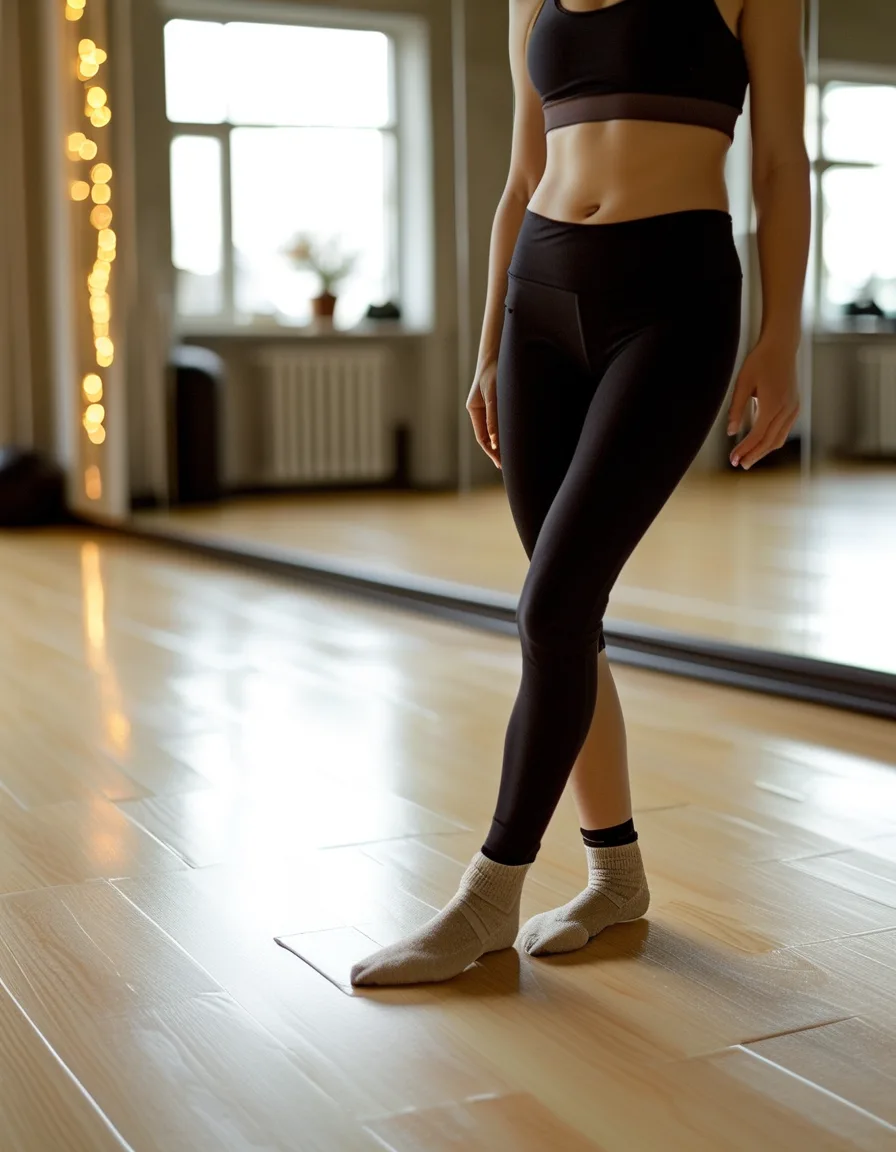
The rubber or silicone grip dots that make these socks useful for barre and pilates are the same feature that makes them retain moisture and odor faster than a typical cotton sock.
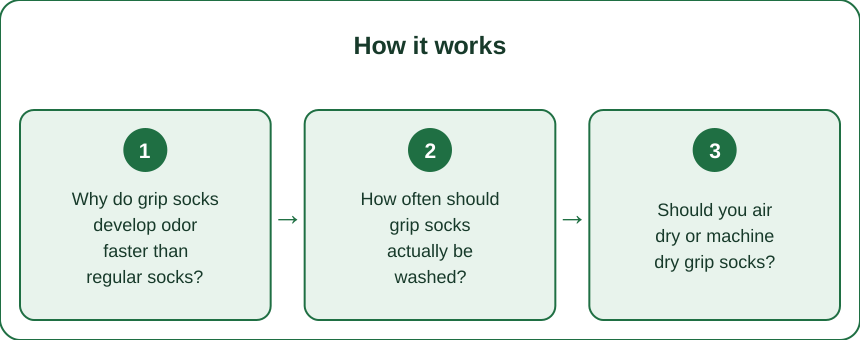
Why do grip socks develop odor faster than regular socks?
The rubberized or silicone grip pattern on the sole reduces airflow against the foot compared to plain fabric, trapping sweat and heat in a smaller, less breathable area. Combined with the enclosed, often warm environment of a studio floor, this creates conditions bacteria thrive in faster than in a standard breathable sock.
This isn’t a flaw in any particular brand — it’s inherent to how grip technology works, which is why the washing routine matters more for these than for regular socks.
How often should grip socks actually be washed?
After every single wear, ideally — unlike regular athletic socks that some people stretch across 2 uses, grip socks’ moisture retention makes same-day washing meaningfully more important for odor and hygiene control.
Machine washing in cold water, inside a mesh bag to protect the grip dots from friction damage against other laundry, works for most brands — check the care label since some silicone grip patterns are more heat-sensitive than others.

Should you air dry or machine dry grip socks?
Air dry, always. Machine heat degrades rubber and silicone grip dots over time, causing them to crack, peel, or lose their tackiness much faster than air-dried pairs. Lay flat rather than dry on a line — hanging can stretch the sock’s shape over repeated dries.
This single habit is the biggest factor in how long a pair of grip socks stays both hygienic and actually grippy.
Grip Socks Buying and Care Guide
When buying, look for socks with moisture-wicking fabric in the main body (not just focusing on the grip dots) — the combination of wicking fabric and proper wash routine handles most of the hygiene concern before it starts.
Rotate between 2-3 pairs rather than relying on just one, giving each pair a full day to completely dry out between wears even if you take back-to-back classes.
FAQ: Grip Socks Hygiene, Answered
Can I use disinfectant spray on grip socks between washes?
A light antibacterial fabric spray between washes can help in a pinch, but it’s not a substitute for regular washing — treat it as a stopgap for back-to-back same-day use only.
Do grip socks lose their grip after washing?
Some fading of tackiness happens over many wash cycles, faster if machine-dried. Proper cold wash and air dry significantly extends grip lifespan.
Is it worth buying more expensive grip socks for hygiene reasons?
Higher-quality moisture-wicking fabric bodies do help more than the grip dot material itself — that’s the spec worth paying more for if hygiene and odor are your main concern.
TL;DR:
- Grip dots trap moisture more than plain sock fabric, accelerating odor and bacteria buildup
- Wash after every wear in cold water inside a mesh bag
- Always air dry flat — machine heat degrades grip dots and shortens their lifespan
- Rotate 2-3 pairs so each fully dries between classes
Build the wash-and-air-dry habit from your very first pair, and both hygiene and grip performance last much longer.
Keep Reading
This article is for general informational and styling purposes only. Fit, sizing, and product availability may vary.